PALE Subscribe
N°04 Winter 2026
PALE
A Quarterly of Cold Modernity

Silence
& Surface

Notes on stillness, cold light, and the quiet architecture of modern living.

Cover — Silence & Surface
Photographed in Reykjavík $18 · €16 · ¥120
Editor's Letter

White is not empty.
It is the quiet
before the room is filled.

Introduction

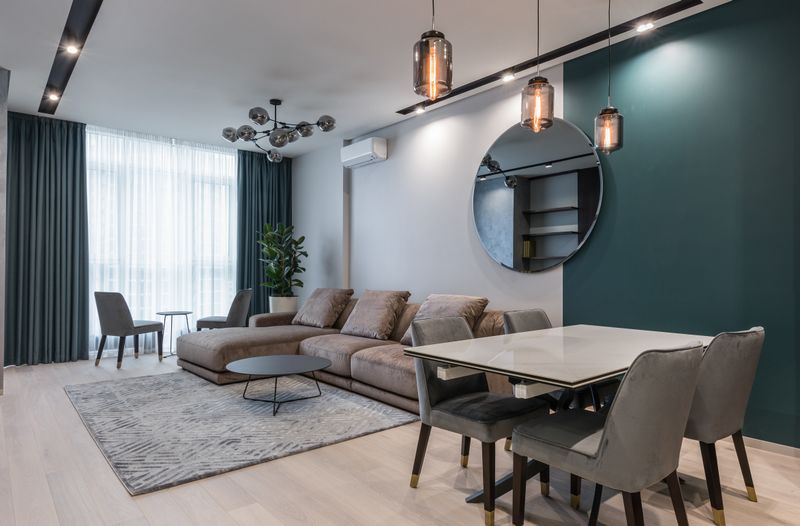
Along the edge of the fjord, we entered a concrete studio that nearly disappears into the snowline. The architect Li Shen has lived here for eleven years. White, he says, was never a design choice — it was the answer this climate wrote for everyone.

So all narration was given to light, wind, and snow. The architecture steps back, quietly enduring the extreme, quietly preserving the warmth. We spent nine days recording, from the first slant of morning to the last blue before polar night.

By the Numbers

−40°C · Average winter low
11 years · Time Li Shen has lived here
9 days · Our recording period
4 contributors · Three countries
01
Architecture

The Rooms We Leave Empty

On negative space as the most honest part of a home.


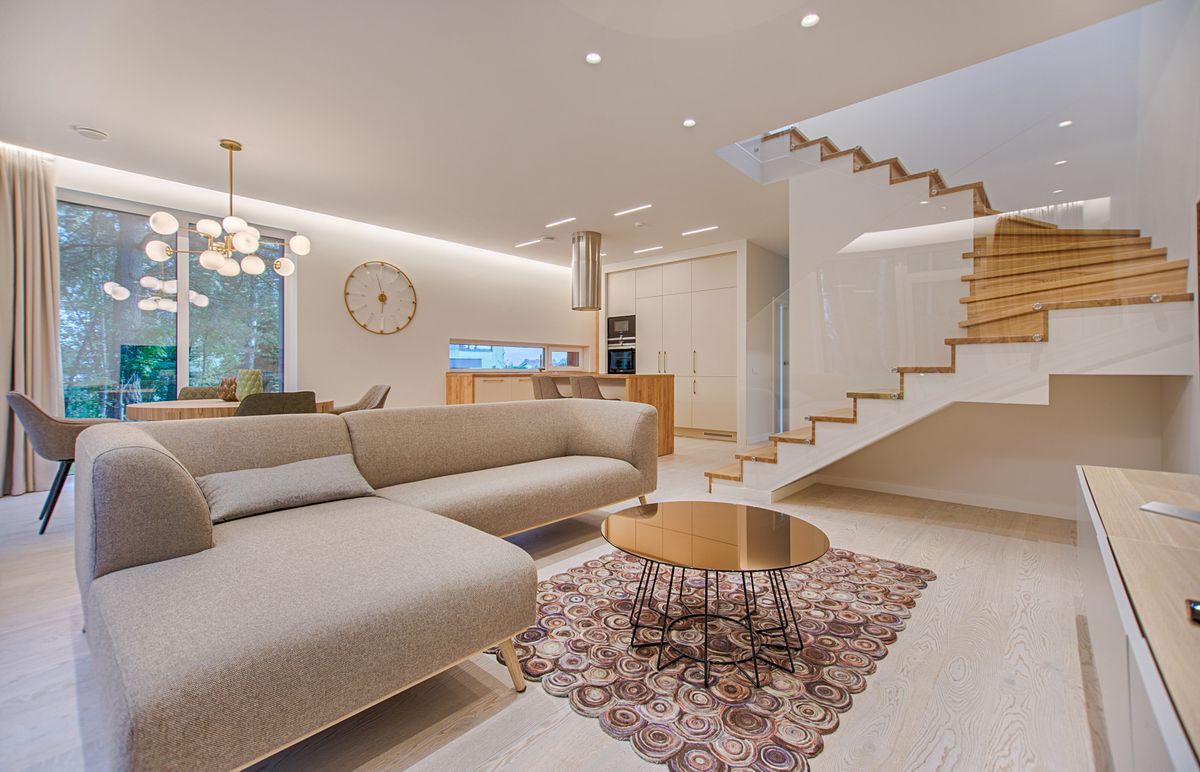
An empty room is not a failure of furnishing. It is a sentence left unfinished on purpose. We visited seven unoccupied apartments in Lisbon and found, in each, the same quiet conviction: that space itself is the most honest thing a home can offer.

Negative space, in interiors, is rarely decorative. It is structural — the silence between two notes that lets the melody exist. A bare wall does not ask to be filled. It asks to be noticed.
Field Note

Photographed over a single grey afternoon, these rooms refused the urge to perform. They simply waited, and in waiting became legible — proof that the emptiest part of a house is often the part that says the most.

The Rooms We Leave Empty
An unoccupied apartment, Alfama, Lisbon.
02
Fashion

Pale, Always

Why the fashion world keeps returning to the colour of nothing.


There is a reason the fashion world keeps returning to the colour of nothing. White is not the absence of decision; it is the most demanding one. It shows every seam, every shadow, every hesitation of the hand.

This winter's collections leaned pale not out of caution but out of confidence — long coats the colour of unlit snow, knits the colour of morning fog, dresses the colour of a room before the lights are turned on.

To wear pale is to agree to be seen plainly. It is the opposite of camouflage.

Studio Note

Shot in Oslo under daylight-balanced LEDs at 5500K. The stylist described the palette as "the colour of fog before it decides to be weather."

— Yuki Tanaka, Fashion Editor

Pale, Always
The winter palette, studio, Oslo.
03
Essay

Notes on Cold Light

A winter spent photographing the hour before sunrise.


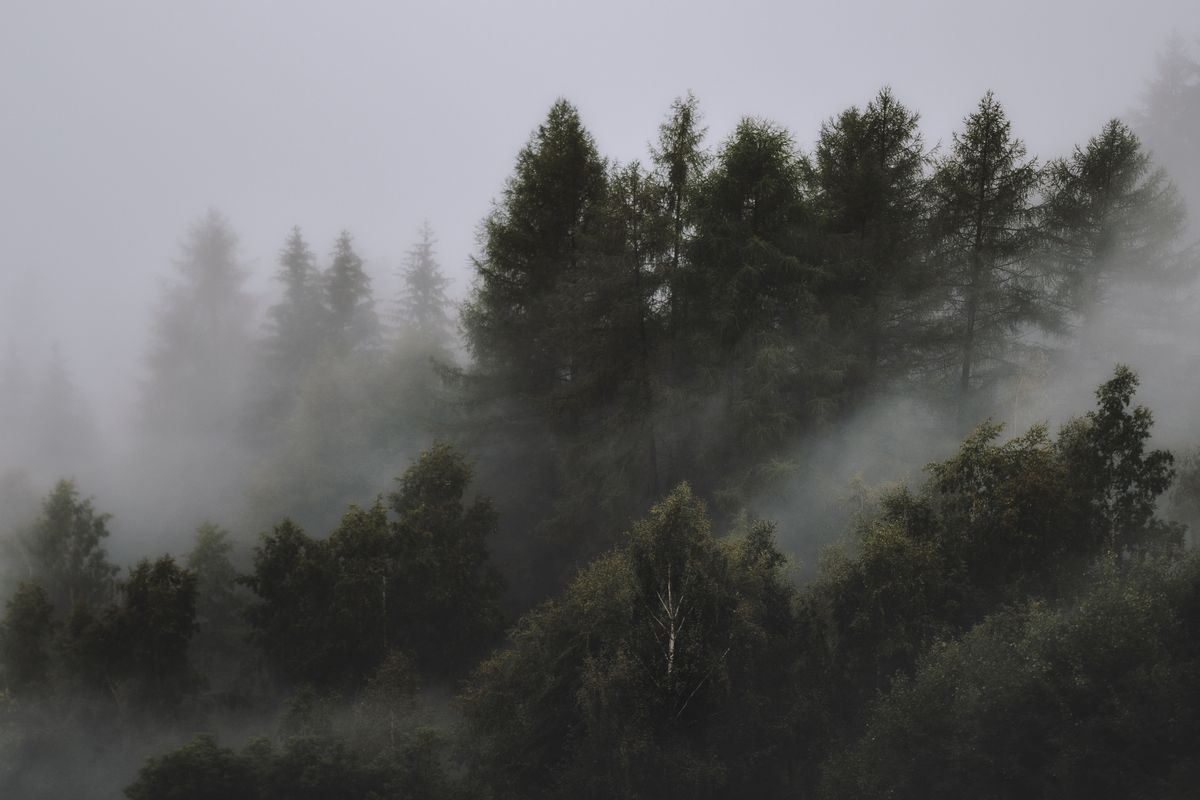
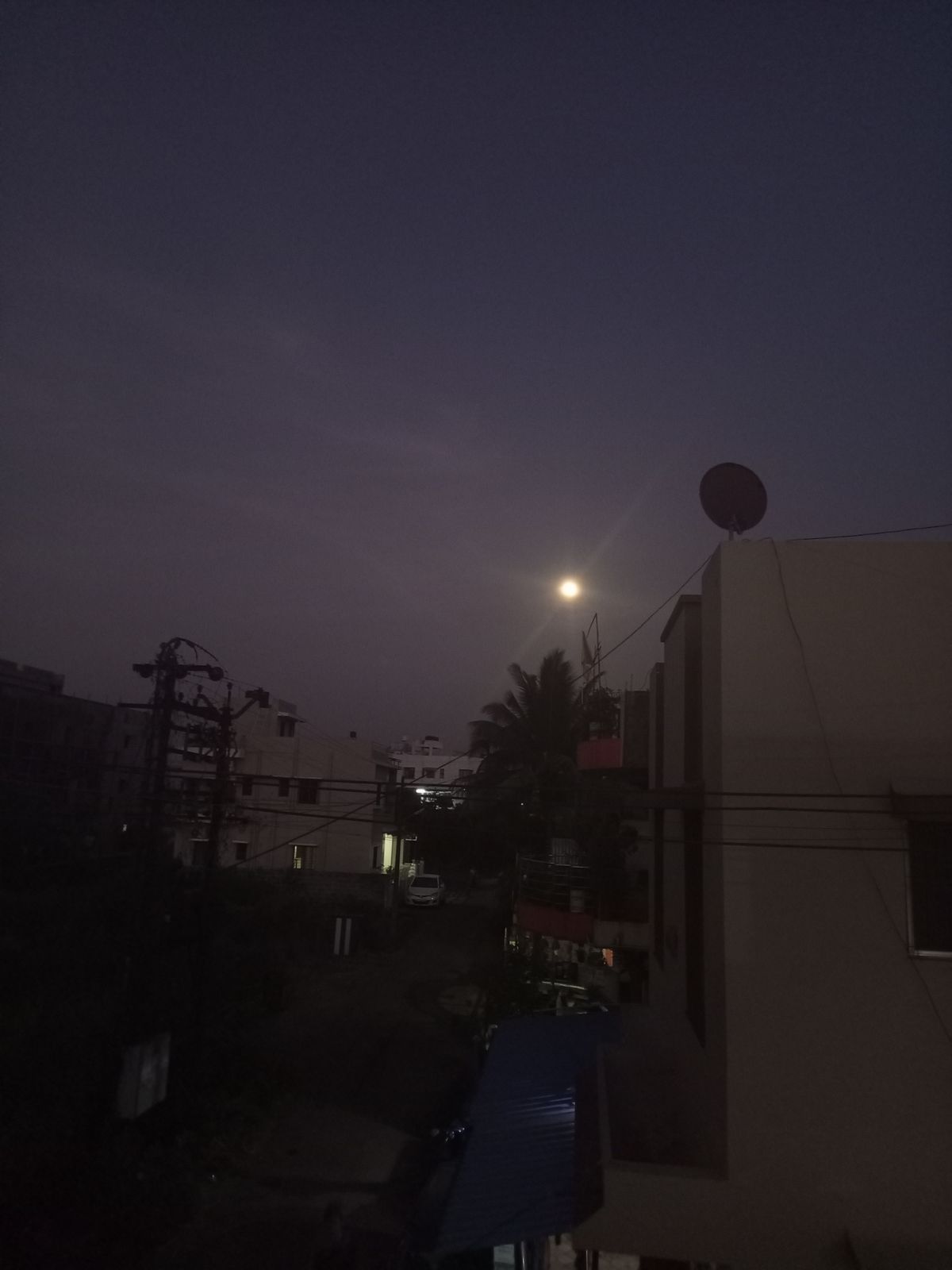
I spent the winter photographing the hour before sunrise, when the world is blue and undecided. Cold light does not flatter. It clarifies. It takes the warmth out of a thing and leaves the thing.

Notes on Cold Light
06:14, before the sun.

What I learned was not technical. It was that cold light is patient. It waits for the subject to stop performing, and only then does it arrive.

These notes are less a study than a habit: a way of beginning the day before the day begins.

Technical

Leica M11 · 35mm Summilux
f/2.0 · 1/60s · ISO 3200
No flash, no correction.

04
Architecture · 12 min read

The Architecture of Stillness

How modern architects are treating emptiness as material rather than lack.


"We do not decorate silence. We simply stop interrupting it."

The modern room is not empty so much as it is listening. We have spent a century filling space with noise, yet the cold white wall asks nothing of us and offers everything in return.

Stillness, in architecture, is not the absence of form but its quietest argument.

This winter, our contributors travelled from Reykjavík to Hokkaido in search of rooms that refuse to shout. What they found was not minimalism as a look, but attention as a practice.

To live among such rooms is to be gently reminded that silence is not the opposite of speech.

The Architecture of Stillness
Cold light through a tall window. Reykjavík, 06:14.
By Elena Mårtensson Continue reading →
05
Design

The Quiet Economy

Why Scandinavian designers charge more for doing less.


There is an economy in Scandinavian design that has nothing to do with money. It is the economy of restraint — the decision to remove rather than add, to subtract until what remains is irreducible.

We spoke with four designers in Copenhagen and Oslo who described their process not as creation but as excavation. The object was always there, they said. Their job was to clear away everything that was not it.

The result is furniture that feels inevitable rather than designed. They do not announce themselves. They simply belong.

Q&A

Mira Solberg: How long did the chair take?

Designer: Three years to simplify. One afternoon to approve the prototype.

The Quiet Economy
A chair that took three years to simplify.
06
Photography

Cold Cities

A photographic survey of winter light in northern capitals.


For three months, I photographed the same street corner in Reykjavík at the same hour each morning. The light never repeated itself. It was always different — sometimes blue, sometimes grey, once a pale gold that lasted eleven minutes.

Cold cities are not sad. They are honest. The winter light strips away the flattery of summer and shows the buildings as they are: concrete, glass, steel, standing in air that has weight.

These photographs are not about architecture. They are about the space between buildings — the cold, luminous air that makes northern cities feel like rooms without roofs.

Location

Laugavegur & Skólavörðustígur, Reykjavík. Shot daily at 09:00, Dec–Feb. −12°C to +2°C.

Cold Cities
Reykjavík at 09:00, December.
07
Culture

On Restraint

A conversation with an architect who builds less on purpose.


I met the architect in his studio outside Stockholm, a converted barn with white walls and no furniture except two chairs. He had just turned down a commission for a museum — his third refusal that year.

"I build less on purpose," he said. "Every building I don't build is a field that stays open. A view that stays intact. A silence that stays whole."

In forty years, he had built eleven structures. Each one was spare, precise, and almost invisible in its landscape.

"The best building," he said, "is the one you don't notice until you've already left."

Portfolio

House on the Fjord (1991)
Chapel of the Wind (1998)
Library at Vimmerby (2004)
The Quiet Pavilion (2012)
House for a Musician (2019)

11 buildings in 40 years.

On Restraint
The architect's studio, outside Stockholm.
08
Photography

The Last Snow

Notes from a photographer documenting vanishing winter landscapes.


The snow in Hokkaido arrived two weeks late this year. For a photographer whose work depends on winter, that is not an inconvenience — it is an obituary.

I have been photographing snow for twelve years. Each year, there is less of it. The landscapes I documented in 2018 no longer exist in the same form. The glaciers I walked on have retreated.

These images are not nostalgic. They are evidence. A record of what winter used to look like, made by someone who was lucky enough to see it before it began to leave.

Data

2014: 7.2m peak
2018: 6.1m
2022: 4.8m
2026: 3.9m (proj.)

Source: Japan Meteorological Agency.

The Last Snow
Hokkaido, January. The snow arrived two weeks late.
By Elena Mårtensson · 6 min read Read full article →
09
PALE
A Quarterly of Cold Modernity

Issue N°04 · Winter 2026

"Silence & Surface"

Editor-in-Chief
Elena Mårtensson

Fashion Editor
Yuki Tanaka

Contributing Writers
Jonas Lindqvist, Mira Solberg, Lukas Halldór

Photography
Li Shen, Elena Mårtensson

© 2026 PALE Magazine · All rights reserved
Printed on FSC-certified paper · ISSN 0000-0000
1 / 6
Click right half to turn forward · left half to go back · or use ← →
In This Issue 8 articles